Rabbit Script Embroidery Design: A Business Review
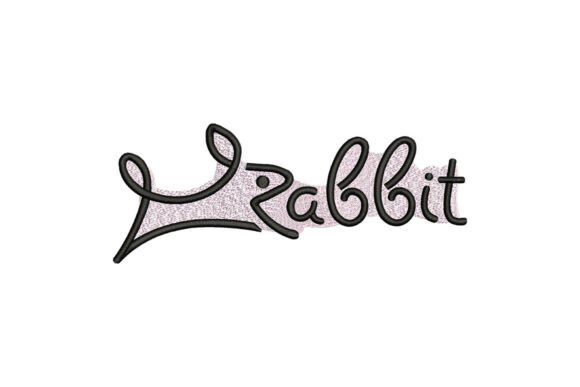
As an embroidery designer who regularly consults with small businesses on merchandise and branding, I approach every new machine embroidery design with a critical eye toward production viability. When evaluating the Rabbit Script Embroidery Design for commercial use, my first impression is one of versatile charm balanced by technical boldness. The description highlights playful, flowing lettering integrated into a soft bunny-inspired shape with a bold satin stitch outline. For business owners in niche markets like pet brands, bakeries, florists, or children’s boutiques, this aesthetic strikes a necessary balance between whimsy and legibility. However, translating that visual appeal into a durable finished product requires understanding how script fonts and satin borders behave under the needle.
Visual Personality and Brand Identity Alignment
The Rabbit Script Embroidery Design falls within the Animal Quotes category, but its utility extends far beyond simple categorization. In a commercial context, this design reads as friendly, handmade, and approachable. For a local café or a creative studio, these traits are essential for building customer trust and recognition. Unlike rigid block lettering, the flowing script suggests a personal touch, which aligns perfectly with the values of Etsy sellers and artisanal brands.
However, brand identity relies on consistency. If your business aims for a sleek, corporate, or ultra-modern aesthetic, this specific embroidery file might feel too rustic or decorative. Conversely, if you are marketing organic products, pet services, or nursery goods, the soft integration of text and image reinforces a premium yet accessible vibe. The bold satin outline mentioned in the product details is a significant asset here; it provides the definition needed to ensure the design remains readable from a distance, preventing the "mushy" look that often plagues intricate script designs on textured fabrics.
Real-World Applications for Small Business Merch
When planning small business merch, versatility is key. Based on the design's characteristics, I see several high-value applications where the Rabbit Script Embroidery Design would excel:
- Apron Embroidery: For bakeries or florists, placing this design on the left chest of a canvas apron creates an immediate connection with customers. The bold outline ensures visibility against flour-dusted or soil-stained fabric.
- Tote Bag Design: Canvas totes are staple items for markets and retail. The playful nature of this design makes it ideal for reusable shopping bags, turning customers into walking advertisements.
- Embroidered Patch Production: Because the design features a distinct shape and bold border, it is a prime candidate for merrowed-edge patches. These can be sold as standalone add-ons or applied to denim jackets and caps later.
- Product Packaging Accents: For handmade product sellers, embroidering this motif onto muslin drawstring bags or linen tags elevates the unboxing experience without requiring custom printing.
- Staff Uniforms: In pet grooming salons or veterinary clinics, this design offers a softer alternative to clinical logos, helping to put anxious pets and owners at ease.
Technical Considerations for Commercial Embroidery
While the aesthetic is charming, the technical execution determines profitability. As a professional reviewing this for commercial embroidery projects, I must highlight specific constraints regarding stitch density and sizing. Script fonts connected to shapes create complex stitch paths. The "bold satin stitch outline" implies higher thread usage and longer run times compared to standard running stitch outlines.
You must verify the minimum size before committing to bulk production. Flowing lettering has a floor; if scaled down too small for a cap front or sleeve cuff, the satin columns may merge, causing thread breaks or illegible text. Always check the digitizer’s recommended minimum size. If you intend to use this for cap embroidery, confirm the design has been tested on curved surfaces. Flat-digitized script can distort when wrapped around a hat brim unless specifically compensated for curvature.
Fabric texture also plays a massive role. On smooth cotton twill or poplin, the Rabbit Script Embroidery Design will likely perform beautifully. On high-pile fleece or terry cloth, the bold satin outline acts as a necessary barrier to prevent the stitches from sinking. However, you may need to adjust your stabilizer strategy. A cut-away stabilizer is generally non-negotiable for script designs to maintain registration between the lettering and the bunny shape during washing. Tear-away options often lead to distortion over time, especially for merchandise that requires frequent laundering like staff uniforms or kitchen linens.
Strategic Placement and Limitations
Not every placement is suitable for this specific digital embroidery file. While it shines on chest panels and tote bags, exercise caution with tiny placements. Avoid using this design as a subtle collar tag or cuff detail unless you have verified a micro-version exists. The complexity of integrating text into a shape means there is a limit to how much detail can be preserved at sub-2-inch sizes.
Additionally, consider color contrast. The description notes the outline contrasts beautifully, but this assumes proper thread selection. If embroidering on dark navy uniforms, ensure the satin outline is light enough to define the inner script. Tone-on-tone embroidery, while elegant, risks losing the playful character of this specific design. For maximum impact in custom apparel, high-contrast thread colors are safer for maintaining brand recognition.
Designer Notes for Production Success
Before loading this design into your machine for a client order or inventory batch, follow this professional checklist to protect your investment and reputation:
- Test in Black and White First: Run a sample using black thread on white fabric (or vice versa). This removes color variables and lets you assess pure stitch quality, spacing, and registration.
- Verify Hoop Size Compatibility: Ensure the design fits comfortably within your hoop with adequate margin for stabilization. Crowding the hoop edges causes tension issues that ruin script flow.
- Create a Printable Mockup: Before stitching, place the design file over a photo of the actual garment or item. Scale it accurately to visualize proportion. Does the Rabbit Script overwhelm a petite pocket? Is it lost on a large apron?
- Check Licensing Terms: Confirm the license permits commercial use on physical merchandise. Some files allow personal crafting but restrict selling finished goods or mass-produced patches.
- Inspect Spacing and Kerning: Look closely at where the script connects to the bunny shape. Are there jump stitches that need trimming? Is the connection point secure enough to withstand wear?
- Compare Beside Other Assets: Place this design next to your existing logo or brand elements. Ensure the visual weight matches. You do not want your primary logo to look heavy while this accent looks flimsy, or vice versa.
Enhancing Value Through Professional Execution
Ultimately, the Rabbit Script Embroidery Design is a strong contender for businesses seeking to soften their brand image while maintaining professional quality. Its success lies in respecting the technical requirements of the medium. By treating this not just as a cute graphic but as a functional component of your brand identity, you transform a simple embroidery file into a valuable business asset.
Remember that customers equate stitch quality with product value. A well-executed version of this design signals attention to detail and care, reinforcing the handmade or boutique nature of your offerings. Whether used for event merch, staff apparel, or retail products, taking the time to test stabilizers, verify sizes, and select appropriate thread colors ensures that the charm of the Rabbit Script translates effectively from screen to fabric. Always prioritize testing over speed, and this design will serve as a delightful and profitable addition to your merchandise lineup.