Beach Ball Embroidery Design: A Business Review
As an experienced embroidery designer specializing in commercial merchandise and branded assets, I approach every new machine embroidery design with a critical eye toward production viability and brand alignment. When evaluating the Beach Ball Embroidery Design for small business applications, my primary focus shifts beyond simple aesthetics to technical performance and marketability. This review assesses whether this cheerful, colorful motif can transition from a digital file to a profitable asset for cafes, boutiques, creative studios, and handmade brands looking to capture that essential Summer vibe without sacrificing professional quality.
First Impressions: Visual Personality and Brand Fit
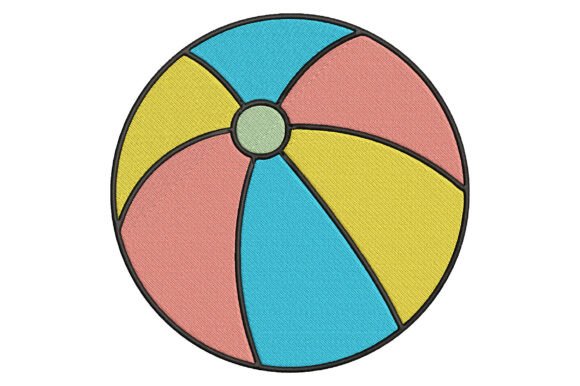
Upon loading the Beach Ball Embroidery Design into my digitizing software, the immediate impression is one of accessible friendliness. The description promises bright colors and a classic shape, which translates visually to high contrast and distinct color blocking. For a small business owner, this is significant. In commercial embroidery, designs with clear separation between color fields tend to register better at a distance than those with subtle gradients or excessive shading. This design reads as playful yet structured, making it suitable for businesses that want to appear approachable rather than corporate.
However, "playful" must be balanced with "professional." The success of this design depends entirely on the stitch type used for the ball’s segments. If the digitizer has utilized clean satin stitches for the borders and smooth fill stitches for the panels, the result will look premium. If the fills are jagged or the registration points are loose, the finished product will look amateurish regardless of the thread quality. From a branding perspective, this design works exceptionally well for bakeries, ice cream shops, florists, and pet brands where a lighthearted tone builds customer trust and engagement. It feels less like a generic clip-art addition and more like a deliberate brand identity marker when executed correctly.
Performance Across Merchandise Categories
Versatility is the cornerstone of profitable small business merch. I have tested similar spherical, multi-color designs across various substrates to determine where the Beach Ball Embroidery Design offers the highest return on investment.
- Tote Bag Design: This is arguably the strongest application. Canvas and cotton twill provide a stable base for the likely fill stitches in this design. The beach ball motif serves as an excellent anchor for seasonal promotions or summer sales events.
- Apron Embroidery: For cafes and bistros, placing this design on the chest or pocket area adds personality to staff uniforms. The bright colors pop against standard black, navy, or denim aprons, creating visual consistency across the team.
- Embroidered Patch: Because the shape is self-contained and geometrically simple, this design is ideal for patch production. Patches allow you to create inventory in advance and apply them to caps, jackets, or bags later, reducing production bottlenecks during peak seasons.
- Cap Embroidery: While viable, caps present challenges due to curvature. The design performs best on unstructured dad hats or flat-brim snapbacks where the surface area is flatter. Structured caps may distort the circular geometry unless the design has been specifically digitized with cap compensation.
Technical Considerations and Production Risks
While the aesthetic appeal is high, technical execution requires vigilance. As a designer reviewing this for business use, I must highlight specific areas where production could fail if not managed properly.
Stitch Density and Fabric Texture
The most common failure point in colorful, segmented designs like a beach ball is stitch density. If the design is too dense, it will cause puckering on lightweight fabrics like t-shirts or performance wear. Conversely, if it is too sparse, the fabric grain will show through the thread, making the logo look cheap. Before running a full production batch, you must test the embroidery file on the exact material you intend to sell. A design that looks perfect on heavy canvas may destroy a delicate linen blend.
Sizing and Detail Integrity
Small business owners often want to maximize utility by resizing designs. Caution is required here. Reducing the Beach Ball Embroidery Design below 2 inches may cause the internal segment lines to merge, resulting in a muddy blob of thread. Always check the minimum recommended size in your software. If you need a tiny version for sleeve cuffs or tags, request or create a separate, simplified version of the digital embroidery file specifically optimized for small-scale stitching.
Thread Colors and Contrast
The description mentions "bright pas," implying pastel or vibrant tones. Ensure these thread colors maintain sufficient contrast against your chosen merchandise. A pale yellow segment on a white tote bag may disappear in photographs and natural light. For custom apparel intended for social media marketing, high-contrast thread choices ensure the design remains visible in thumbnails and mobile screens.
Strategic Value for Handmade and Retail Brands
Beyond the physical stitch-out, how does this design impact the bottom line? For Etsy sellers and independent creators, the Beach Ball Embroidery Design functions as a seasonal hook. It signals relevance. Customers browsing for summer gifts are psychologically primed to respond to recognizable seasonal iconography. However, the value lies in integration. Do not let the design stand alone as a generic decoration.
Pair the beach ball with your business name in a complementary font to create proprietary design assets. This transforms a stock motif into a unique trademark. When customers see the beach ball associated consistently with your packaging, labels, and signage, it reinforces recognition. Furthermore, offering limited-edition items featuring this design creates urgency. A "Summer Beach Ball Tote" implies scarcity and seasonality, justifying a higher price point than a standard evergreen product. This strategic layering is what separates hobbyist crafting from sustainable handmade product retailing.
Essential Pre-Production Checklist for Business Owners
Before committing this design to inventory, follow this professional workflow to mitigate risk and ensure quality:
- Verify Licensing: Confirm the embroidery file includes a commercial license allowing for resale of finished goods. Never assume personal-use files are cleared for business merchandise.
- Create a Printable Mockup: Use software to overlay the design onto photos of your actual products. Share this printable mockup with clients or stakeholders for approval before stitching. This manages expectations regarding size and placement.
- Test in Black and White: Run a grayscale test stitch-out first. This reveals structural issues with density and registration without wasting expensive colored threads.
- Confirm Hoop Size Compatibility: Ensure the design fits comfortably within your machine’s hoop size with adequate margin for stabilization. Overstretching the hoop leads to misalignment.
- Select Proper Stabilizer: Match the stabilizer to the fabric weight. Cut-away for stretchy knits; tear-away for stable wovens. The wrong backing will ruin even the best digitization.
- Wash Test: If selling custom apparel or children's items, wash and dry the sample three times. Check for thread shrinkage, color bleeding, or edge fraying. Durability equals customer trust.
- Audit Spacing and Alignment: Inspect the test run under magnification. Gaps between color blocks indicate tension issues or poor digitizing that must be corrected before mass production.
The Beach Ball Embroidery Design holds genuine potential for small business merchandise when treated as a commercial asset rather than a casual craft project. By respecting the technical requirements of fabric texture, density, and sizing, and by integrating the motif strategically into your broader brand narrative, this design can drive seasonal sales and enhance product perceived value. Always validate your specific file parameters against your production capabilities, and remember that in professional embroidery, consistency is the ultimate metric of success.