Retro Surfboard Summer Embroidery Design Review
As an experienced embroidery designer preparing for a busy weekend craft fair, my selection process is rigorous. I do not simply choose files based on digital aesthetics; I evaluate them based on stitch-out reliability, marketability, and production efficiency. When reviewing the Retro Surfboard Summer Embroidery Design, my immediate assessment focuses on its potential as a high-turnover craft fair product. The title suggests a vibrant, nostalgic aesthetic that aligns perfectly with current trends in coastal decor and vintage apparel. For fellow Etsy sellers, boutique makers, and creative entrepreneurs, understanding how this specific machine embroidery design translates from screen to fabric is essential for maximizing booth sales and online engagement.
First Impressions and Aesthetic Appeal
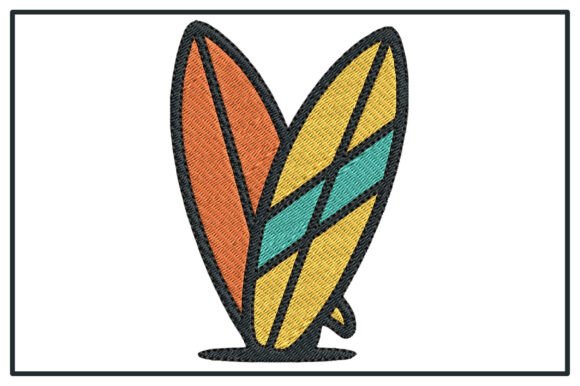
Upon loading the embroidery file into my software, the Retro Surfboard Summer Embroidery Design presents itself as bold yet approachable. It does not feel overly complex or stiff, which is a common pitfall in digitized vacation motifs. Instead, it strikes a balance between playful retro charm and modern clean lines. This versatility is crucial for handmade shop owners who need designs that appeal to a broad demographic. It avoids being too juvenile, making it suitable for adult beachgoers, while retaining enough whimsy to attract younger buyers.
The "retro" aspect implies specific color palettes—likely mustard yellows, teals, burnt oranges, or faded blues. As a designer, I appreciate when a digital embroidery file respects these tonal traditions without requiring twenty thread changes. For a weekend market, speed is money. If this design allows for efficient thread color grouping while maintaining that stylish beach surfboard look, it becomes a prime candidate for batch production. Visually, it promises to be a focal point rather than a subtle accent, commanding attention on a crowded display table.
Best Product Applications for Market Sales
Determining where to place this design is just as important as the stitching itself. Based on the composition typical of surf-themed art, here is my evaluation of its performance across various blank products:
- Tote Bags and Market Bags: This is arguably the strongest application. A tote bag design needs to be legible from a distance. The Retro Surfboard Summer Embroidery Design likely has the vertical stature necessary to fill the center panel of a canvas tote without looking lost. Canvas provides a stable base, ensuring the registration remains crisp even with dense fill stitches.
- Tea Towels and Kitchen Linens: Flour sack towels are a staple for summer markets. However, one must consider fabric texture. If the design contains intricate shading or tiny text details, they may get lost in the weave of a textured towel. I recommend testing on smooth cotton first. As tea towel embroidery, this motif works best when centered or placed in the bottom third for a balanced, decorative look.
- Caps and Hats: Curved surfaces present unique challenges. Before committing to cap production, verify the hoop size and digitizing method. Designs optimized for flat embroidery often distort on curved brims. If this file includes a specific hat version or maintains a safe stitch boundary, it could be a top seller. If not, proceed with caution and extensive testing.
- Patches and Small Pouches: For smaller items like zipper pouches or embroidered patches, scalability is key. Does the design retain clarity when reduced by 50%? Retro styles often rely on bold outlines, which is advantageous for resizing. However, watch out for small lettering or thin connecting stitches that may break or become illegible at miniature scales.
- Aprons: Apron embroidery offers a large canvas similar to tote bags but with different wear patterns. Placing the surfboard design on the chest bib creates a fun, conversational piece for summer BBQ hosts. Ensure the stabilizer choice accounts for the apron's movement and washing frequency.
Production Practicality and Stitch Integrity
For commercial embroidery and small shop products, time equals profit. I always analyze stitch density before running a full production batch. High-density designs look premium but increase run time and the risk of puckering. The Retro Surfboard Summer Embroidery Design appears to utilize standard satin and fill stitches appropriate for summer weight fabrics. However, users should inspect the underlay. Proper underlay is non-negotiable for preventing distortion on stretchy knits or loose-weave linens.
Batch repeatability is another factor. Can I hoop ten tea towels and run this design consecutively without constant adjustments? Consistent spacing and reliable trims make this possible. If the design requires excessive manual trimming or re-hooping due to poor layout, it may not be viable for high-volume craft fair prep. Always review the design assets and color chart to ensure your machine’s palette matches the intended retro vibe without needing custom dye lots.
Critical Use Notes and Technical Warnings
Even the most stylish beach surfboard embroidery file has limitations. As professionals, we must anticipate these issues:
- Fabric Compatibility: Dark fabrics can swallow retro colors. If stitching on navy or black denim, consider adding a white outline or glow effect to maintain contrast. Conversely, on white fabric, ensure the underlay prevents show-through.
- Stabilizer Selection: Do not rely solely on tear-away for structured items. A cut-away stabilizer is often safer for tote bags and aprons to prevent long-term distortion after washing. For towels, use a water-soluble topper to keep stitches from sinking into the pile.
- Size Verification: Never assume a digital mockup represents physical reality. Measure the actual dimensions against your hoop size. Leaving adequate margin within the hoop prevents needle strikes and ensures proper tension.
- Licensing Check: Before selling finished products, confirm the commercial licensing terms included with the digital embroidery file. Some designers restrict mass production or require attribution. Protect your business by verifying these rights upfront.
Merchandising and Visual Strategy
At a craft fair, customers buy with their eyes first. The Retro Surfboard Summer Embroidery Design contributes significantly to booth cohesion. Grouping items featuring this design creates a themed collection that encourages multi-item purchases. Display an embroidered patch next to the tote bag it adorns; show the tea towel draped over a basket. This contextual merchandising helps buyers visualize the handmade product in their own lives.
For Etsy sellers, photography is paramount. Create at least one real mockup using natural lighting. Flat lays work well for showing detail, but lifestyle shots demonstrate scale and utility. Highlight the texture of the stitches; macro photography can showcase the quality of the satin edges and the vibrancy of the thread colors. Mention specific keywords like "vacation surf decor pattern" and "summer embroidery" in your listing titles to capture seasonal search traffic.
Designer Recommendations for Success
To ensure this design performs as expected, follow this pre-production checklist:
- Test Stitch-Out: Always run a test on scrap fabric identical to your final product. Check for registration errors, thread breaks, or density issues.
- Thread Contrast: Verify that your chosen retro palette has sufficient contrast against the base fabric. What looks good on screen may appear muddy in person.
- Hoop Size Confirmation: Double-check that the design fits your specific machine’s hoop with adequate clearance. Do not force a design into a hoop that is too tight.
- Printable Mockups: Utilize printable mockup templates to plan placement before wasting materials. This is especially useful for positioning on caps or asymmetrical garments.
- Customer Engagement: Use the story behind the design in your marketing. Explain why you chose this retro style or how it complements summer activities. Emotional connection drives sales for handmade gifts.
The Retro Surfboard Summer Embroidery Design holds significant promise for summer markets. Its blend of nostalgia and functionality makes it a versatile asset for tote bag designs, apron embroidery, and giftable home decor. By approaching this file with a critical eye toward production realities and merchandising strategy, craft fair sellers and digital creators can transform a simple embroidery file into a profitable seasonal staple. Remember, success lies not just in the design itself, but in the thoughtful execution and presentation of the finished product. Ride the waves of creativity responsibly, and let your craftsmanship shine through every stitch.