Balloon Embroidery Design: A Business Review
First Impressions for Commercial Merchandise
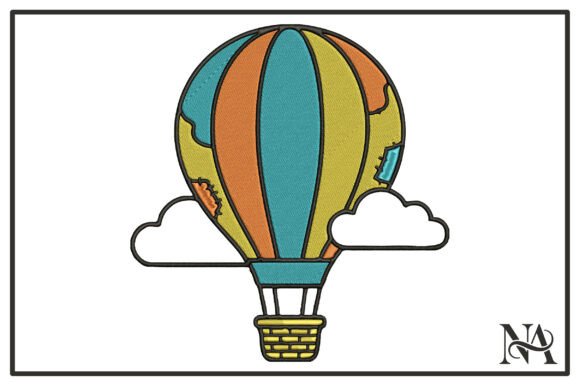
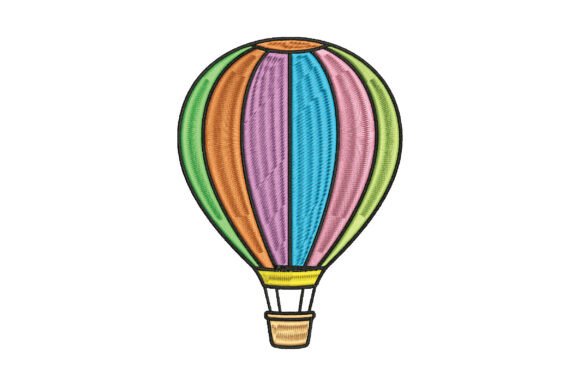
As an experienced embroidery designer evaluating assets for small business merchandise, my first impression of the Balloon Embroidery Design is that it strikes a delicate balance between playful and professional. The description highlights soft pastel colors and a beautifully stitched hot air balloon, which immediately suggests a friendly, approachable aesthetic. For businesses in the Toys category, children’s boutiques, bakeries, or creative studios, this visual tone is excellent. It avoids being overly cartoonish, retaining enough elegance to function as a legitimate brand mark rather than just a decorative clip-art element.
When reviewing this machine embroidery design for commercial application, I look for versatility. The pastel palette implies a gentle texture, but for branded merchandise, we must ensure those light thread colors have sufficient contrast against various garment backgrounds. A design that looks stunning on white cotton might disappear on a beige tote bag or navy apron. From a digitizing perspective, the "beautifully stitched" claim suggests good coverage and satin stitch definition, which is crucial for creating a premium feel on custom apparel. If the fill stitches are too sparse, the design will look cheap; if they are too dense, it will pucker lightweight fabrics. This specific design appears optimized for visibility without overwhelming the substrate, making it a strong candidate for small business merch.
Real-World Applications for Small Brands
In a real-world scenario, imagine a local florist or a handmade soap shop looking to elevate their packaging. The Balloon Embroidery Design serves as an exceptional accent for tote bag design. Totes are high-visibility marketing tools, and a soft, whimsical balloon motif aligns perfectly with eco-friendly, artisanal values. Unlike harsh corporate logos, this design invites interaction and feels like a gift rather than an advertisement. For an Etsy seller specializing in nursery decor or baby gifts, this embroidery file could be the signature element on bibs, blankets, or keepsake items, reinforcing the handmade product value proposition.
For hospitality businesses like cafés or bed and breakfasts, this design works beautifully as a chest logo accent on staff uniforms or apron embroidery. While a full-back print might be too loud, a small, left-chest placement of a pastel balloon creates a welcoming atmosphere. It signals to customers that the business cares about details and aesthetics. Additionally, consider the use of this design as an embroidered patch. Patches are trending in retail because they add perceived value and collectibility. A hot air balloon patch could be sold as standalone merchandise, added to denim jackets, or used as a loyalty reward token. The shape of a balloon is naturally contained, making it ideal for merrowed-edge patches that require clean, continuous borders.
Technical Considerations and Placement Risks
Despite its charm, the Balloon Embroidery Design requires careful technical evaluation before mass production. As a reviewer, I must caution users regarding stitch density and sizing. Pastel threads often require higher density to achieve opacity, especially on darker fabrics. If you plan to embroider this on black caps or dark navy uniforms, you may need to add an underlay or adjust the colorway to prevent the fabric from showing through the stitches. Always test the digital embroidery file on the actual fabric texture you intend to use. A design that runs perfectly on quilting cotton may distort on stretchy jersey knits or textured canvas.
Sizing is another critical factor. While the balloon shape is versatile, reducing it to tiny dimensions for sleeve cuffs or collar tags can lead to detail loss. Intricate shading or small facial features (if present) may turn into mud when scaled down below two inches. Before committing to cap embroidery, verify that the design fits within the curved hoop limitations and that the stitch direction follows the cap's contour to prevent puckering. Furthermore, check the hoop size requirements listed with the file. Using a hoop that is significantly larger than the design can cause registration issues, while a hoop that is too tight can damage the fabric. For items requiring frequent washing, such as kids' clothing or café aprons, ensure the stabilizer choice supports the design long-term to prevent shrinkage or distortion.
Impact on Brand Identity and Customer Trust
Visual consistency is the backbone of brand identity. Integrating the Balloon Embroidery Design into your product line should feel intentional. When customers see high-quality embroidery, it subconsciously increases trust and justifies higher price points. A poorly executed stitch-out damages reputation instantly. By choosing a design described as "beautifully stitched," you are signaling quality. However, you must ensure this playful aesthetic aligns with your overall voice. If your brand is minimalist and industrial, a pastel balloon might create cognitive dissonance. But for brands built on warmth, creativity, nostalgia, or care, this design asset reinforces your core message.
Moreover, unique embroidery distinguishes your products in a saturated market. Generic stock art is forgettable; curated, well-executed embroidery is memorable. Using this design across multiple touchpoints—from product labels to event merch—creates a cohesive visual language. This repetition builds recognition. When a customer sees the balloon motif on your Instagram, then on your packaging, and finally on your staff’s uniform, it validates the professionalism of your operation. It transforms a simple transaction into an experience. For commercial embroidery projects, this emotional connection is what drives repeat business and word-of-mouth referrals.
Professional Designer Notes for Production
Before running a full production batch, follow these professional protocols to ensure success:
- Create a Printable Mockup: Always generate a printable mockup or digital visualization to show clients or stakeholders how the Balloon Embroidery Design will look at scale on the specific garment. This manages expectations regarding size and color placement.
- Test in Black and White: Run a grayscale test stitch-out first. This reveals the underlying structure and shading without the distraction of color. If the design lacks depth in monochrome, it may lack dimension in color.
- Verify Licensing: Confirm the commercial licensing terms included with the embroidery file. Ensure you have the right to use the design on merchandise for sale, not just personal projects. Documentation protects your business.
- Check Thread Contrast: Evaluate the pastel thread colors against your specific blank inventory. You may need to swap a pale yellow for a deeper gold or a soft pink for rose to maintain visibility on certain fabrics.
- Stabilizer Selection: Match the stabilizer to the end-use. Use cut-away for stretchy apparel and tear-away for stable woven goods. For patches, use heavy-weight stabilizer to support the border stitches.
- Compare Beside Other Assets: Place a sample stitch-out next to your existing logo or other design assets. Ensure the stitch style, weight, and quality level match. Inconsistent embroidery quality makes a brand look disjointed.
By treating the Balloon Embroidery Design as a strategic business asset rather than just a cute picture, you unlock its full potential. Whether used for apron embroidery in a bakery or as a signature mark on small business merch, proper testing and thoughtful application will ensure the finished product reflects the quality your customers expect. Always review the specific file details provided by the digitizer, as stitch counts and formats vary, and let your test runs guide your final production decisions.