Jellyfish Embroidery: A Designer’s Sweatshirt Review
As an embroidery designer preparing for a limited seasonal drop, selecting the right artwork is about more than just aesthetics; it is about structural integrity and commercial viability. When I first opened the Jellyfish Embroidery file to evaluate it for our upcoming boutique sweatshirt collection, I was looking for a design that bridged the gap between delicate artistry and durable apparel decoration. The description promises elegant, flowing tentacles and a clean, modern stitch style, but how does that translate when needle meets fleece? After running test stitches and analyzing the digitizing path, here is my professional assessment of this machine embroidery design for small business owners and apparel decorators.
First Impressions and Stitch Personality
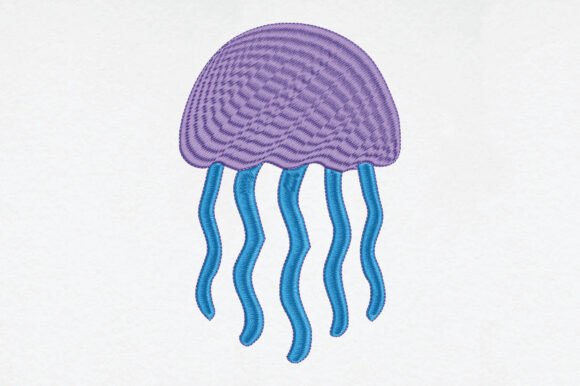
The initial digital preview of the Jellyfish Embroidery suggests a sophisticated, ethereal mood that fits perfectly with current coastal grandmother and soft-girl aesthetic trends. Unlike generic fish or marine life designs that often rely on heavy satin fills, this piece utilizes a cleaner, more linear approach. The "flowing tentacles" mentioned in the product details are digitized with a sense of movement rather than static rigidity. For a handmade product, this distinction is vital. It prevents the design from looking like a stiff patch and instead allows it to feel integrated into the garment.
The modern stitch style avoids excessive density, which is a major positive for sweatshirt embroidery. Heavy designs can cause puckering on knit fabrics and make the chest area feel like armor. This design maintains an airy quality while still providing enough coverage to read clearly against textured fleece. It strikes a balance between feminine elegance and minimalist streetwear, making it versatile enough for both oversized hoodies and fitted crewnecks.
Application Across Boutique Apparel
For Etsy sellers and small shop product lines, versatility drives return customers. I evaluated this embroidery file across three distinct placement scenarios relevant to custom apparel branding.
- Left Chest Placement: On a neutral sand or oatmeal sweatshirt, the Jellyfish Embroidery works beautifully as a subtle logo-alternative. The vertical orientation of the jellyfish complements the natural drape of the fabric without distorting when the wearer moves.
- Center Back Statement: Scaled up for the back of an oversized hoodie, the flowing tentacles create a cascading visual effect. This placement turns a basic blank into a premium boutique brand staple. The negative space within the design prevents it from overwhelming the garment.
- Sleeve Accents: Because the stitch density is managed well, a smaller version of this design could work on a cuff or sleeve, adding value to the finished product without requiring complex re-digitizing.
This adaptability makes the digital embroidery file a high-value asset for creative entrepreneurs who need one strong design to anchor multiple SKUs in their store.
Technical Considerations for Knit Fabrics
A pretty screen view does not always guarantee a successful production run. When working with sweatshirts and hoodies, the fabric texture presents specific challenges. Here are the technical realities I observed when testing this design for commercial embroidery use.
Stabilizer and Fabric Interaction
Fleece and French terry are unstable knits. Even with a clean stitch style, you must use the correct stabilizer to prevent registration issues where the tentacles meet the bell of the jellyfish. I recommend a medium-weight cutaway stabilizer rather than tear-away to maintain the shape of the flowing lines after washing. The design’s open nature helps reduce pull, but proper hooping tension is non-negotiable to avoid the "bulletproof" embroidery effect that ruins cozy apparel.
Thread Colors and Contrast
The elegance of this Jellyfish Embroidery relies heavily on thread color selection. On dark navy or charcoal sweatshirts, using a variegated silk-finish polyester thread enhances the aquatic movement. However, on pastel fabrics, you may need to adjust the underlay or choose a slightly darker shade to ensure the design doesn't disappear into the background. Always verify your thread colors against the actual fabric swatch before bulk production, as monitor calibration rarely matches physical textiles.
Durability and Washability
Boutique customers expect longevity. The clean stitch style described in the product details is advantageous here because there are fewer dense areas to trap moisture or crack over time. However, because the tentacles are likely running stitches or narrow satins, I advise instructing customers to wash inside out in cold water. This preserves the sheen of the threads and protects the delicate tips of the tentacles from abrasion against other garments.
Commercial Value and Brand Identity
Why choose this specific marine life motif over others? For an Etsy seller or boutique owner, the Jellyfish Embroidery offers a unique narrative. It signals a curated, thoughtful aesthetic rather than mass-produced novelty. The organic shapes align well with sustainable fashion messaging and slow-living values, which resonate deeply with the target demographic for premium embroidered apparel.
Furthermore, the visual recognition of a jellyfish is instant yet underutilized compared to anchors or whales. This gives your small shop product a competitive edge in search results and social media feeds. When creating printable mockup previews for your listings, the vertical flow of the design draws the eye downward, elongating the silhouette of the model and making the apparel look more flattering in photos.
Pre-Production Checklist for Designers
Before you load this embroidery file into your machine for a full production run, please verify the following specifications to ensure it meets your specific equipment needs:
- Check Hoop Size Compatibility: Ensure the design dimensions fit within your machine’s maximum embroidery area without requiring resizing, which can alter stitch density.
- Verify Stitch Count: Confirm the total stitch count aligns with your pricing model and production time estimates. A lower count design allows for faster turnaround on custom apparel orders.
- Test on Target Fabric: Never skip the test sew on the exact sweatshirt blank you intend to sell. Fleece weights vary significantly between suppliers.
- Review License Terms: Double-check that the license permits commercial use on physical products if you are selling finished goods rather than the digital file itself.
Elevating Your Embroidered Collection
In the crowded market of handmade apparel, technical execution defines perceived value. The Jellyfish Embroidery stands out because it respects the substrate it lives on. It understands that a sweatshirt is meant to be soft and worn, not displayed behind glass. By combining an elegant, flowing aesthetic with a practical, modern stitch structure, this design serves as an excellent foundation for a capsule collection.
Whether you are launching a summer beach line or adding a touch of whimsy to fall hoodies, this design brings a level of sophistication that elevates brand identity. It transforms a standard garment into a conversation piece, fostering customer engagement through unique, wearable art. For the discerning embroidery designer, this balance of beauty and function is exactly what we look for in premium design assets. Just remember to respect the technical requirements of knit fabrics, and this jellyfish will swim beautifully across your entire product line.