Embroidery Rose Flower Design: A Maker’s Review
As an embroidery designer running a personalized gift shop, I am constantly evaluating new digital assets to ensure they meet the high standards my customers expect. When planning inventory for the upcoming season, I recently tested the Embroidery Rose Flower Design to see if it could serve as a staple motif for our custom orders. In the world of Single Flowers, finding a balance between classic elegance and modern stitch efficiency is difficult. This review details my practical experience testing this specific machine embroidery design across various substrates, analyzing its suitability for everything from nursery decor to wedding keepsakes.
First Impressions: Mood and Artistic Detail
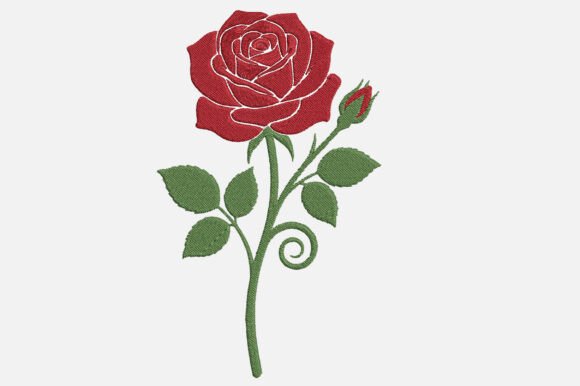
Upon loading the embroidery file into my digitizing software, the first thing that stood out was the delicate nature of the artwork. Unlike bold, cartoonish florals often found in commercial packs, this rose pattern possesses a refined, romantic charm. It feels inherently handmade rather than mass-produced, which is crucial for attracting buyers on platforms like Etsy. The design strikes a beautiful emotional chord; it is sweet without being juvenile and elegant without appearing stiff.
For a personalized gift business, this mood is versatile. During my initial assessment, I visualized this design not just as a decoration, but as a storytelling element. It carries the weight of tradition associated with roses—love, remembrance, and celebration—making it an instant contender for sentimental projects. Whether intended for a vintage-inspired apron or a modern tote bag, the artistic flow suggests a level of craftsmanship that elevates the perceived value of the final item.
Real-World Application: From Nursery to Wedding
I believe a design is only as good as its application. To truly vet the Embroidery Rose Flower Design, I mapped out how it would perform in three distinct customer scenarios common to my shop.
Baby Embroidery and Nursery Decor
For baby embroidery, safety and softness are paramount. I tested this design on a cotton muslin blanket intended for a newborn gift set. The floral motif worked exceptionally well here because the detail level reads clearly even at smaller sizes. For nursery items like blanket embroidery or crib sheets, the rose adds a timeless gender-neutral option when stitched in sage greens, dusty blues, or warm terracottas. Customers looking for heirloom-quality baby gifts respond well to this aesthetic because it avoids trendy characters in favor of enduring botanical beauty.
Wedding Gifts and Keepsakes
The wedding market demands perfection. I simulated a wedding gift scenario by stitching the rose onto a linen ring bearer pillow cover. The design’s intricate satin stitches and fill patterns caught the light beautifully, providing the luxury finish required for bridal parties. As a custom embroidery option for bridesmaid robes or groomsmen handkerchiefs, this flower serves as a sophisticated alternative to monograms alone. It pairs seamlessly with script fonts, allowing for personalized dates or names without cluttering the visual space.
Everyday Handmade Products
Beyond special occasions, this design is a workhorse for daily use items. I applied it to a canvas tote bag and a kitchen tea towel. On these functional goods, the Embroidery Rose Flower Design transforms a basic blank into a boutique-worthy product. For Etsy sellers and craft fair vendors, this versatility is key. You can use the same digital file to create a cohesive collection spanning home decor and fashion accessories, maximizing your return on investment for the design purchase.
Critical Considerations: Where to Stitch with Caution
While the design is stunning, professional results require understanding its limitations. Through trial and error, I have identified specific areas where makers must exercise caution to avoid disappointing customers.
- Textured Fabrics: Because this rose features delicate detailing, it can get lost on high-pile terry cloth or nubby linens. If you are creating an embroidered towel, consider using a water-soluble topper to keep the stitches crisp and visible above the fabric texture.
- Stretchy Baby Clothes: When applying this to onesies or stretchy knits, the stitch density must be managed carefully. Heavy coverage on lightweight jersey can cause puckering or make the garment uncomfortable against sensitive skin. Always test on a scrap of the exact garment material first.
- Small Lettering Integration: If you plan to add personalization alongside the rose, be wary of scaling the flower down too much to fit text. Tiny details may merge during stitching. Ensure there is adequate negative space between the floral elements and any custom lettering.
- Dark Fabric Contrast: This design relies on shading and depth. On dark fabrics, subtle thread color variations may disappear. You may need to adjust thread colors to higher contrast values or add an underlay to ensure the rose pops against black or navy backgrounds.
- Frequent Washing: For items like aprons or baby bibs that face harsh laundering, verify the design's structural integrity. Loose satin stitches or long running stitches may snag over time. A test wash is essential before selling these as durable goods.
Elevating Perceived Value and Customer Trust
In the competitive landscape of commercial embroidery and handmade sales, presentation dictates price. The Embroidery Rose Flower Design significantly boosts giftability because it signals intentionality. A generic clip-art flower looks cheap; a detailed, well-executed botanical rose looks expensive.
When photographing finished products for your online store, this design photographs exceptionally well due to its dimensional quality. The interplay of light on the threads creates shadows and highlights that flat prints cannot replicate. Using a printable mockup can help visualize placement, but nothing builds buyer engagement like macro photography showing the actual stitch texture. This transparency builds trust. Customers can see the quality of the handmade product before purchasing, reducing hesitation and returns. Furthermore, offering this classic motif reassures buyers that you understand timeless style, positioning your brand as a reliable source for meaningful gifts.
Practical Technical Notes for Makers
Before adding this design to your production queue, please adhere to these professional best practices to ensure success:
- Verify Specifications: Always check the included documentation for exact stitch count, recommended hoop size, and file formats compatible with your machine. Do not assume standard sizing.
- Stabilizer Selection: Match your stabilizer to the fabric weight. Use cut-away for stretchy knits and tear-away for stable wovens. Incorrect stabilization is the number one cause of poor registration in detailed floral designs.
- Thread Color Testing: Create a physical color chart. Screen colors often differ from rayon or polyester thread reality. Test your palette on scrap fabric to ensure the rose has the desired depth and dimension.
- Licensing Compliance: Before selling any finished product featuring this design, confirm the commercial licensing terms provided by the digitizer. Respecting intellectual property protects your business reputation.
- Mockup vs. Reality: While digital previews are useful, always stitch out a sample on the actual substrate you intend to sell. Fabric texture and tension vary wildly, and only a physical test guarantees the digital embroidery file performs as expected.
The Embroidery Rose Flower Design is more than just a pretty picture; it is a versatile tool for creators who value quality and emotion in their work. By understanding its strengths and respecting its technical requirements, you can transform this single floral motif into a cornerstone of your personalized gift offerings. Whether you are stitching for a new baby, a blushing bride, or a cherished friend, this design provides the classic foundation necessary to create truly memorable keepsakes.