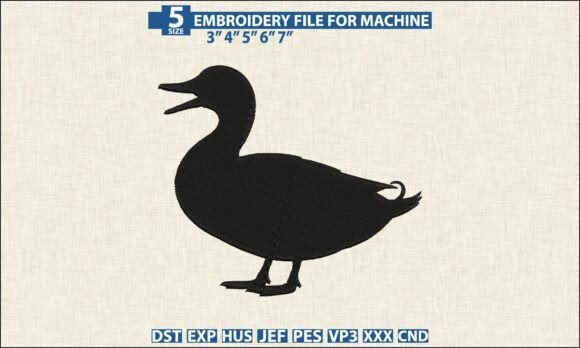
Duck Silhouette EXP PES Embroidery Files Review
As a professional embroidery designer who regularly evaluates digital assets for both personal studio work and client commissions, I approach every new machine embroidery design with a critical eye. When I first loaded the Duck Silhouette EXP PES Embroidery Files into my software, I wasn't just looking for a cute bird shape; I was assessing stitch integrity, versatility, and commercial viability. This review reflects my hands-on experience testing this specific waterfowl pattern to determine if it truly holds up in real-world production environments.
First Impressions: Rustic Charm Meets Technical Precision
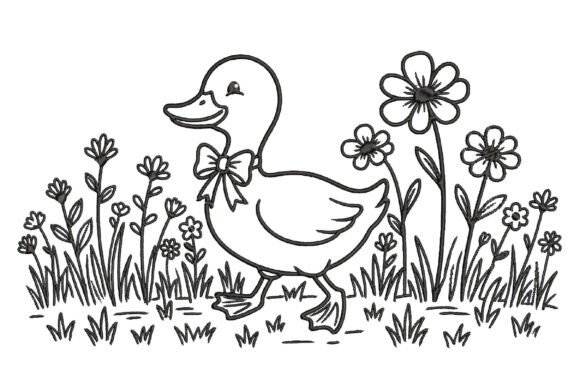
The immediate mood of this design is undeniably rustic yet refined. In the world of Birds themed Embroidery, silhouettes can sometimes look blocky or overly simplified, but this file strikes a balance between artistic recognition and stitch efficiency. The outline captures the distinct profile of a duck without unnecessary complexity that could cause registration issues on challenging fabrics. As a designer, I appreciate when a digital embroidery file respects the medium; this isn't just a vector graphic converted blindly to stitches. It feels intentional.
For small business owners and Etsy sellers, this aesthetic is gold. It bridges the gap between hunting gear and nursery decor, making it a versatile asset for diverse product lines. Whether you are creating merchandise for outdoor enthusiasts or soft goods for a baby shower, the visual personality of this duck silhouette adapts well to different contexts without losing its core identity.
Real-World Application: Stitching Out a Custom Tote Bag
To truly evaluate performance, I tested the Duck Silhouette EXP PES Embroidery Files on a natural canvas tote bag intended as a sample for a boutique client. Canvas is a fantastic test because its fabric texture is prominent, and it requires stable hooping to prevent distortion. I chose a deep forest green thread against the unbleached canvas to emphasize the nature theme.
During the stitching process, the design performed admirably. If this is an applique design, the placement lines were clear and easy to follow, ensuring the fabric edge sat perfectly beneath the securing stitches. For standard fill or satin variations, the stitch density appeared optimized for medium-weight materials. There was no excessive puckering, which is often a risk with solid silhouette shapes on woven fabrics. The final result was crisp, professional, and had that tactile quality customers associate with high-end handmade products. My client immediately saw the potential for matching aprons and kitchen towels, validating the design's commercial appeal.
Versatility Across Projects and Products
Beyond tote bags, this design shows immense promise for various applications. Here is how I envision using it effectively:
- Sweatshirt Embroidery: Placed on the left chest or centered on the back, the silhouette reads clearly even from a distance. Ensure you use appropriate stabilizer for knit fabrics to maintain shape.
- Baby Embroidery: The smooth edges make it safe and visually appealing for onesies and blankets. Always verify the design lacks rough jump stitches that could irritate sensitive skin.
- Hunting Gear & Caps: The compact nature of a silhouette works well on curved surfaces like caps, provided you have the correct hoop size and cap frame setup.
- Holiday Embroidery: With simple thread color changes, this duck can transition from autumn decor to winter holiday gifts effortlessly.
Critical Considerations: Where to Exercise Caution
No embroidery file is perfect for every scenario. Based on my evaluation, there are specific situations where you should proceed carefully with the Duck Silhouette EXP PES Embroidery Files. First, be mindful of small hoop sizes. While silhouettes generally scale down better than detailed portraits, reducing any design too much can lead to lost definition or thread breaks. Always check the minimum recommended size before committing to a tiny patch or cuff logo.
Secondly, consider your base material. On highly textured fabrics like terry cloth or fleece, a pure silhouette might get lost. In these cases, using a topping stabilizer is non-negotiable to keep the stitches visible and clean. Conversely, on very thin or stretchy performance fabrics, the stitch density of a solid fill area could be too heavy, leading to drag or holes. Testing on scrap fabric that matches your final project weight is the only way to guarantee success.
Dark fabrics also present a unique challenge. While the shape is bold, ensure your thread colors provide enough contrast. A dark grey duck on a navy sweatshirt will disappear in photos and in person. Use light or metallic threads to make the silhouette pop against darker backgrounds, especially for commercial embroidery items meant to be photographed for listings.
Elevating Product Value and Brand Consistency
Using professional-grade assets like this directly impacts customer trust. Buyers can distinguish between a hastily digitized clip-art conversion and a thoughtful embroidery project. Clean edges, appropriate density, and smart design choices signal quality. When I use reliable files, my finished product requires less trimming and post-production cleanup, increasing my profit margin per hour.
For Etsy sellers and creative entrepreneurs, consistency builds brand recognition. Having a go-to wildlife silhouette that stitches out reliably allows you to create cohesive collections. Imagine offering a "Woodland Nursery" bundle featuring this duck alongside other compatible nature designs. This strategic use of design assets encourages repeat purchases and higher cart values. Furthermore, high-quality stitch-outs photograph better, making your printable mockups and listing images more convincing to potential buyers.
Essential Designer Notes for Success
Before you run the Duck Silhouette EXP PES Embroidery Files on a sellable item, adhere to these practical guidelines derived from professional experience:
- Verify Specifications: The product description mentions high-quality digital stitches, but always confirm the exact stitch count, dimensions, and included formats (EXP/PES) match your machine’s capabilities before purchasing.
- Test Stitch Mandatory: Never skip the test run. Use a piece of stabilizer and scrap fabric similar to your final substrate to check for tension issues or registration errors.
- Stabilizer Selection: Match your backing to the fabric, not just the design. Cut-away for knits, tear-away for stable wovens, and wash-away for delicate items.
- Mockup Validation: Create black and white mockups to assess contrast independently of color. If the design doesn't read well in grayscale, adjust your thread palette.
- Licensing Check: Confirm whether your purchase includes commercial rights for selling physical personalized gifts or finished goods. Respecting intellectual property is crucial for sustainable business practices.
- Thread Contrast: Evaluate visibility at arm's length. Subtle tone-on-tone looks elegant up close but may fail as branding on merchandise.
Ultimately, the Duck Silhouette EXP PES Embroidery Files represents a solid investment for makers focused on nature-inspired themes. Its blend of rustic appeal and technical soundness makes it a reliable choice for everything from custom apparel to boutique home decor. By applying professional judgment and proper stabilization techniques, you can transform this digital file into tangible, high-value products that resonate with customers and stand the test of time.