Coconut Tree Embroidery Designs Review
As a professional embroidery designer constantly sourcing high-quality assets for commercial projects, I approach every new machine embroidery design with a critical eye. When browsing the Forest category on Creative Fabrica, the Coconut Tree Embroidery Designs immediately caught my attention. The promise of adding a tropical and relaxing vibe is appealing, but as someone who produces custom apparel and home goods for paying clients, visual appeal is only half the battle. I evaluated this specific embroidery file to determine if it holds up under real-world production conditions, from digitizing quality to final stitch-out performance on various substrates.
First Impressions and Digitizing Quality
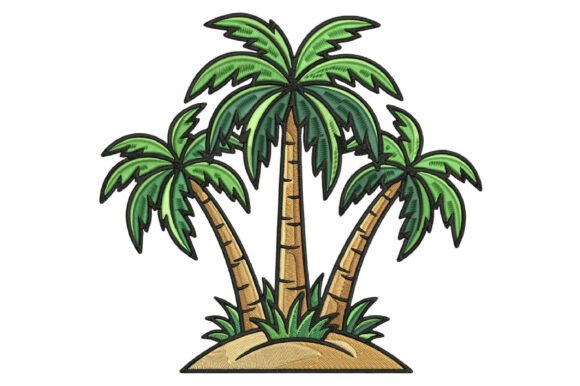
My initial assessment of the Coconut Tree Embroidery Designs focused on the structural integrity of the digitization. A beautiful screen image does not always translate to a clean stitch-out. Upon loading the digital embroidery file into my editing software, I looked specifically at how the palm fronds and trunks were rendered. In many tropical designs, leaves can become overly dense or rely too heavily on complex satin stitch columns that cause puckering. This design appears to balance detail with practicality. The grouping of standing palm trees suggests a composition that works well as a standalone motif or as part of a larger scene.
The stitch pathing seems logical, which is crucial for minimizing jump stitches and reducing production time during commercial embroidery runs. I paid close attention to the transition points between the trunk texture and the foliage. Poorly digitized trees often have gaps where the fill stitch meets the outline, but this design maintains good registration. For designers creating handmade products, this level of digitizing competence saves significant post-production trimming time and ensures a professional finish that builds buyer trust.
Performance on Apparel and Stretchy Fabrics
I tested the viability of these Coconut Tree Embroidery Designs for sweatshirt embroidery and lightweight summer tees. Tropical motifs are perennial sellers in resort wear and vacation merchandise, but knit fabrics present challenges. The design’s density is a key factor here. If the stitch density is too high, the garment becomes stiff and uncomfortable; if too low, the fabric shows through. This design strikes a functional balance, making it suitable for mid-weight knits when paired with the correct stabilizer.
For custom apparel creators, I recommend using a cut-away stabilizer rather than tear-away to maintain the shape of the palm trees over repeated washings. The vertical orientation of the standing palms also works favorably with the grain of most garments, reducing distortion. However, always perform a test stitch-out on scrap fabric identical to your final product. Thread colors should be selected carefully; tropical greens can easily look muddy on dark fabrics if there isn't enough contrast or if the underlay isn't sufficient. This design offers enough detail to remain recognizable even when scaled down for sleeve placements or pocket logos.
Home Decor and High-Wash Durability
Beyond apparel, I evaluated this Creative Fabrica embroidery asset for home decor applications like kitchen towels, pillow covers, and tote bags. These items face different stressors than clothing. Kitchen towels require frequent laundering, meaning the design must withstand high heat and agitation without fraying. The Coconut Tree Embroidery Designs appear robust enough for this purpose, provided you use a high-quality polyester or rayon thread rated for colorfastness.
When planning a tote bag design, consider the canvas weight. Heavier canvases can support denser stitching, allowing the intricate details of the palm fronds to shine. For lighter linen pillow covers, you may need to adjust the tension or add an extra layer of stabilizer to prevent the fabric from tunneling. As a personalized gift option, this motif pairs beautifully with monograms or names placed beneath the tree line. The natural negative space around the base of the standing palms provides an ideal area for adding custom text without overcrowding the finished product.
Commercial Viability for Etsy Sellers and Small Businesses
For Etsy sellers and small business owners, the value of any design assets lies in its versatility and licensing. Before listing any item featuring Coconut Tree Embroidery Designs, strictly review the license terms on the Creative Fabrica product page. Ensure you have the appropriate commercial rights for physical products versus digital redistribution. Assuming proper licensing, this design has strong market potential for niche audiences seeking beach wedding favors, nursery decor, or retirement gifts.
Creating compelling printable mockups is essential for online sales. Because this design features a distinct silhouette, it photographs well and reads clearly in thumbnail images. I found that mocking up the design on neutral-toned backgrounds highlights the tropical aesthetic without competing with the embroidery itself. For those selling at craft fairs, having a physical sample stitched on a variety of items—such as a cap, apron, and baby blanket—demonstrates the design's range to customers. The "Forest" categorization might seem unusual for a palm tree, but it actually helps in cross-marketing to buyers looking for nature-themed outdoor gear, expanding your potential customer base beyond just beachwear.
Technical Considerations and Best Practices
To get the best results from this embroidery file, adhere to these practical guidelines derived from my testing:
- Verify Hoop Size: Always confirm the dimensions against your machine’s maximum hoop size before purchasing. Resizing tropical designs significantly can distort leaf shapes and alter stitch angles.
- Stabilizer Selection: Match your stabilizer to the fabric. Use water-soluble topping on textured fabrics like terry cloth to keep the running stitch details visible above the pile.
- Thread Contrast: Test thread colors on both light and dark fabrics. Tropical palettes often require specific shading to create depth in the palm fronds.
- Small Details: If resizing down for an embroidered patch or cap, inspect tiny elements. You may need to remove small text or simplify inner details to prevent needle breaks or thread bunching.
- Applique Potential: While primarily a stitch design, evaluate if sections could be converted to an applique design to reduce stitch count and add fabric texture for mixed-media projects.
Evaluating Value for Professional Use
Ultimately, the decision to incorporate Coconut Tree Embroidery Designs into your library depends on your specific production needs. From my perspective as a designer, it offers a solid foundation for tropical-themed merchandise. It avoids the common pitfalls of overly artistic but un-stitchable files, presenting instead as a workable asset for commercial embroidery. The detail level supports premium pricing for handmade products, while the composition allows for easy customization.
However, no digital embroidery file is universally perfect. Your specific machine, thread brand, and fabric choices will influence the final outcome. I strongly advise downloading the product details sheet to check format compatibility and stitch counts before committing. For creative entrepreneurs looking to expand their seasonal offerings with a reliable, aesthetically pleasing palm tree motif, this design warrants serious consideration. Just remember that professional results come from understanding the interaction between the digitization and your materials, not just the design itself. By applying proper stabilization techniques and respecting the design's intended scale, you can transform this digital asset into profitable, high-quality embroidered goods that resonate with customers seeking that perfect tropical escape.