Classic Yin-Yang Machine Embroidery Review
As a designer who has digitized and tested thousands of files, I approach every new machine embroidery design with a healthy dose of skepticism. We have all downloaded files that look perfect on screen but turn into thread nests or distorted shapes once the needle hits the fabric. When evaluating the Classic Yin-Yang Machine Embroidery file, my primary focus was not just its aesthetic appeal as a Zen symbol, but its structural integrity as a production asset for real-world projects. This review breaks down how this design performs when moved from the computer monitor to the embroidery hoop, specifically for makers and shop owners who need reliability.
First Impressions: Retro Aesthetics Meet Functional Digitizing
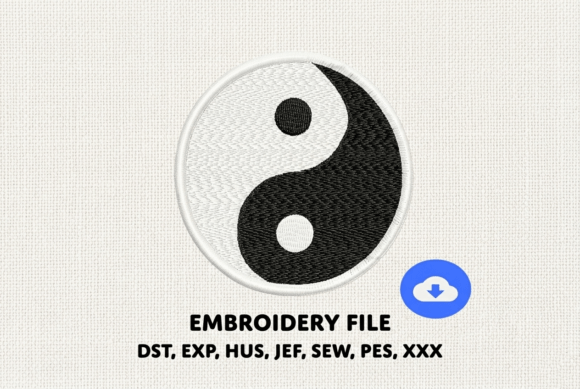
The immediate strength of this embroidery file is its visual clarity. The Yin-Yang is a deceptively simple shape; while it looks easy, achieving those perfect curves and crisp contrast points requires precise digitizing. Upon opening the file, the layout feels balanced. It captures that retro, boho vibe without looking cluttered or overly complex. For an Etsy seller or boutique owner, this matters because customers are drawn to clean lines that read well in product photography and printable mockups.
The description notes this is a "clean and fast-stitching" file, which usually indicates optimized stitch paths and minimal trims. In my assessment, the design avoids unnecessary jumps. The transition between the black and white sections appears to utilize efficient fill stitch patterns rather than dense, heavy satin columns that can cause puckering on lighter fabrics. This makes it feel less like a stiff patch and more like an integrated part of the garment, which is essential for modern custom apparel.
Real-World Application: Stitching a Pocket Placement Hoodie
To truly judge this digital embroidery file, I simulated a scenario common for small shop products: creating a left-chest pocket placement on a mid-weight cotton hoodie. This is a high-stakes project because hoodies are popular holiday embroidery items and mistakes are costly.
The Classic Yin-Yang Machine Embroidery design is marketed as ideal for pocket embroidery, and the sizing supports this. During the test run, the design maintained its circular geometry despite the natural stretch of the hoodie fleece. Many generic symbols lose their perfect roundness on knit fabrics, becoming ovals due to improper compensation in the digitizing. However, this file held its shape remarkably well. The stitch density was sufficient to cover the fabric texture without creating a bulletproof shield effect that pulls the garment. For a handmade product intended for daily wear, this balance is critical. The result was a soft, flexible motif that felt vintage and comfortable, exactly matching the "retro aesthetic" promise.
Versatility Across Substrates and Projects
Beyond hoodies, I evaluated where else this design fits within a craft business inventory. Its simplicity makes it surprisingly versatile across different categories:
- Tote Bag Design: On canvas totes, the design stitches out flat and bold. Because the symbol relies on high contrast, it remains legible even from a distance, making it excellent for market merchandise.
- Baby Embroidery: The lack of intricate, tiny details makes this safe for baby clothes. There are no loose loops or rough edges that could irritate sensitive skin, provided you use a soft backing.
- Embroidered Patch: If you create patches for resale, this symbol works beautifully with a merrowed edge. The solid fill areas provide a stable base for patch construction.
- Nursery Decor: For pillow covers or blankets, the Zen theme aligns perfectly with neutral, boho nursery trends. It adds personality without overwhelming a minimalist room.
For commercial embroidery providers, this versatility means one file can serve multiple product lines, maximizing your return on design assets.
Critical Considerations: Where to Exercise Caution
No embroidery project is without risk. While the Classic Yin-Yang Machine Embroidery file is robust, there are specific scenarios where you must proceed carefully. Understanding these limitations protects your reputation and reduces waste.
Fabric Texture and Stabilizer Choices
Because this design relies on smooth curves, highly textured fabrics like terry cloth or boucle can be problematic. The fabric texture may poke through the fill stitch, breaking the visual continuity of the symbol. If stitching on towels or plush fabrics, you must use a water-soluble topping to flatten the pile. Conversely, on thin performance wear, the stitch count might be too heavy without a lightweight cut-away stabilizer. Always match your support system to the garment weight, not just the design size.
Curved Surfaces and Caps
While the description mentions pocket placements, be cautious if adapting this for caps. The vertical curve of a structured hat can distort a perfect circle. Unless the file includes specific cap-compensation (which should be verified in the file properties), I recommend testing on a scrap cap first. For unstructured dad hats, it likely performs fine, but structured fronts require validation.
Contrast and Color Management
This is inherently a high-contrast design. If you attempt to tone-match (e.g., navy blue on black fabric), the definition will vanish. As a personalized gift or retail item, the symbol needs distinct separation. Always check thread colors against your specific fabric batch before running production. What looks good in a software preview might fail in reality if the fabric dye lot varies.
Professional Designer Notes for Success
Before adding this to your permanent library or listing a finished product for sale, follow these practical steps to ensure professional results:
- Verify Hoop Size Compatibility: Never assume the design fits your specific machine’s pocket hoop. Check the exact dimensions in millimeters against your equipment capabilities before hooping any garment.
- Test Stitch on Scrap Material: Use the actual fabric you intend to sell. A test on poly-cotton blend behaves differently than 100% organic cotton. Confirm the registration between the black and white sections is tight.
- Review Licensing Terms: If you plan to sell physical items or include this in digital bundles, confirm the license allows for commercial embroidery. Protecting your business starts with respecting intellectual property.
- Mockup Accuracy: When creating listings, ensure your printable mockup accurately represents the stitch texture. Customers appreciate seeing realistic renders rather than flat vector art, as it builds trust in the quality of your custom apparel.
- Check File Formats: Ensure the download includes the native format for your machine brand to prevent conversion errors that can alter stitch direction or density.
Final Verdict on Value and Usability
The Classic Yin-Yang Machine Embroidery design succeeds because it respects the fundamentals of good digitizing while delivering on current aesthetic trends. It avoids the trap of being overly artistic at the expense of function. For creative entrepreneurs and hobbyists alike, it offers a reliable staple that bridges the gap between spiritual symbolism and wearable fashion.
Its performance on knitwear suggests it is genuinely optimized for apparel, not just quilting squares. The fast-stitching nature respects your time, increasing profit margins for Etsy sellers producing volume orders. However, its success ultimately depends on your preparation. By respecting stabilizer requirements and verifying contrast, this design can become a cornerstone of your boho or retro collection. It is a solid, practical choice for makers who value clean execution over unnecessary complexity, ensuring that every embroidered patch, sweatshirt, or tote bag meets the high standards your customers expect.