Carrot Bunch Patches: A Sweatshirt Design Review
As an embroidery designer preparing for a seasonal boutique drop, I am constantly evaluating which digital assets will translate best from screen to fabric. When sourcing for our upcoming autumn collection, the Carrot Bunch Patches Embroidery Design immediately caught my attention. In the niche of food-themed apparel, it is easy for designs to look cartoonish or juvenile, but this specific machine embroidery design strikes a sophisticated balance between rustic charm and modern aesthetic. For small clothing brands and Etsy sellers looking to elevate their sweatshirt embroidery offerings, understanding how this design performs technically and visually is crucial before committing to production.
First Impressions and Visual Mood
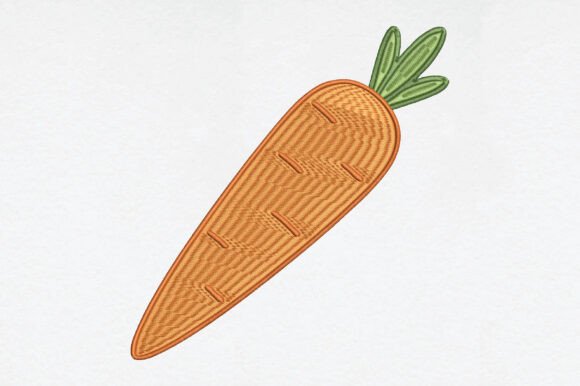
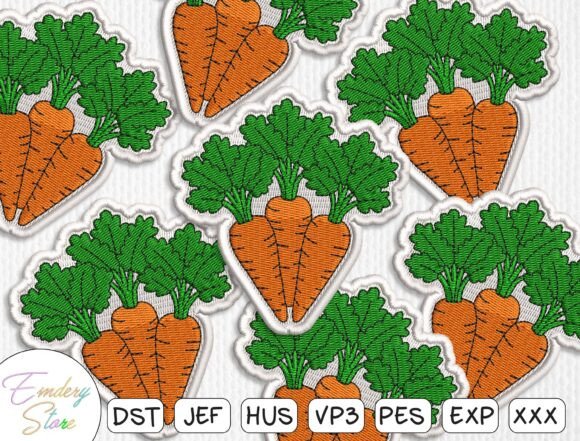
My initial assessment of the Carrot Bunch Patches Embroidery Design focuses on its artistic intent. The description promises vibrant bunches with lush green tops, and visually, the layout suggests a composition that feels organic rather than rigid. For a boutique brand, this is essential. We are not just selling a vegetable motif; we are selling a feeling of harvest freshness and cozy nostalgia. The design reads as playful yet refined, making it suitable for adult-sized oversized hoodies and premium crewnecks rather than just children's wear.
The stitching personality appears to lean toward a patch-style aesthetic, which is currently trending in custom apparel. This style mimics the texture of woven labels or chenille patches but offers the durability and precision of direct embroidery. When reviewing the digital embroidery file, I look for clean outlines and distinct color separation. The transition between the orange carrot bodies and the green foliage needs to be sharp to prevent visual muddiness, especially when scaled down for chest placements. This design seems to understand that negative space is just as important as stitch coverage, allowing the fabric texture of the sweatshirt to breathe through the artwork.
Application Across Apparel Styles
Versatility is key for any handmade product line. I evaluated how the Carrot Bunch Patches Embroidery Design would perform across different garment types in our shop:
- Neutral Sweatshirts: On oatmeal, sand, or cream fleece, the vibrant thread colors of the carrots will pop beautifully. The contrast creates a warm, inviting look that photographs exceptionally well for lifestyle product photography.
- Dark Fabrics: For charcoal or navy hoodies, this design requires careful thread selection. While the original file may specify standard colors, I recommend testing high-sheen or slightly lighter orange threads to ensure the design does not get lost against dark cotton. The green tops should remain saturated to maintain readability.
- Pastel Colors: Placing this design on sage green or dusty pink sweatshirts leans into a feminine, cottage-core aesthetic. Here, the design acts as a delicate accent rather than a bold statement, perfect for customers seeking subtle botanical vibes.
- Oversized Hoodies: The bunch layout works perfectly for left-chest placement on large garments. It anchors the hoodie without overwhelming the wearer, maintaining that effortless, casual vibe that drives sales in the current market.
Technical Considerations for Commercial Embroidery
A pretty digitization means nothing if it ruins the garment during production. As a professional managing commercial embroidery workflows, I have specific technical concerns when integrating a new embroidery file into our lineup. Before running the Carrot Bunch Patches Embroidery Design on saleable inventory, you must address several practical factors.
Stabilizer and Fabric Texture
Sweatshirt fleece is stretchy and prone to distortion. Because this design features a "bunch" arrangement, there is likely significant stitch density in the center where the carrots overlap. Using a cut-away stabilizer is non-negotiable here to prevent puckering. I also recommend using a water-soluble topping to keep the plush fleece nap from pushing through the stitches. Without a topping, the vibrant orange and green threads can sink into the fabric texture, reducing the visual impact and making the finished product look amateurish.
Thread Color Contrast and Density
When reviewing the stitch density, pay close attention to the leafy tops. Lush greens often require multiple shade changes to create depth. Ensure your machine embroidery design file includes adequate underlay stitches. Underlay provides the foundation that keeps the top stitches smooth and prevents the fabric from showing through. If the density is too low, the design will look sparse on thick apparel; if too high, it could create a bulletproof patch that distorts the drape of a soft hoodie. Always run a test sew-out on the exact blank you intend to sell.
Hoop Size and Placement Strategy
Check the dimensions within your digital embroidery file against your available hoop size. For sweatshirt embroidery, center chest placement typically requires a design width between 3.5 and 4 inches. If the Carrot Bunch Patches Embroidery Design is larger, consider resizing it carefully or utilizing it as a back print with a smaller coordinating icon on the front. Never distort the aspect ratio to fit a hoop; this ruins the integrity of the carrot shapes. Proper hoop placement is equally vital—ensure the design sits above the bust line and aligns with the garment’s vertical center seam for a professional finish.
Elevating Brand Value and Buyer Trust
For Etsy sellers and small shop owners, every design choice communicates brand identity. Using high-quality design assets like this carrot bunch set signals to customers that you care about detail. In the food category of embroidery, generic clipart is common. Choosing a design with evident artistic merit helps distinguish your boutique brand from mass-market competitors.
This particular design enhances perceived value because it evokes a specific seasonal mood. Customers are more likely to purchase a sweatshirt that feels like part of a curated collection rather than a random graphic. Furthermore, the patch-style aesthetic implies durability. Buyers trust that embroidered goods will withstand washing better than screen prints, but only if the execution is flawless. By mastering the stabilizer choice and thread tension for this specific design, you ensure the finished product remains crisp after laundering, leading to positive reviews and repeat business.
Marketing and Merchandising Potential
Beyond the needle, the Carrot Bunch Patches Embroidery Design offers strong marketing potential. The cohesive nature of a "bunch" allows for creative merchandising. You could offer a bundle deal featuring the sweatshirt alongside a matching tote bag or beanie. For digital sellers offering printable mockup previews, this design renders beautifully because of its distinct silhouette and color blocking. It is instantly recognizable even in thumbnail images, which improves click-through rates on crowded marketplace feeds.
When creating listings, emphasize the tactile quality of the embroidery. Describe the lush green tops and vibrant harvest colors in your copy. Use terms like "cozy seasonal apparel" and "botanical embroidery" to capture search traffic from buyers looking for autumn aesthetics. Remember to verify all license terms regarding commercial use and resale before listing, as protecting your business is as important as the creative process.
Final Designer Verdict
After thorough evaluation, the Carrot Bunch Patches Embroidery Design proves to be a valuable asset for apparel decorators and creative entrepreneurs. It successfully bridges the gap between cute and chic, making it appropriate for a wide demographic. Its technical requirements are manageable for those with intermediate to advanced embroidery skills, provided proper stabilization is used. Most importantly, it carries the emotional resonance necessary to turn a basic sweatshirt into a beloved wardrobe staple. For shops focusing on handmade quality and seasonal relevance, this design is a worthy addition to the production queue. Just remember to always check the specific stitch count, file format compatibility, and licensing details included with your purchase before beginning your harvest collection.